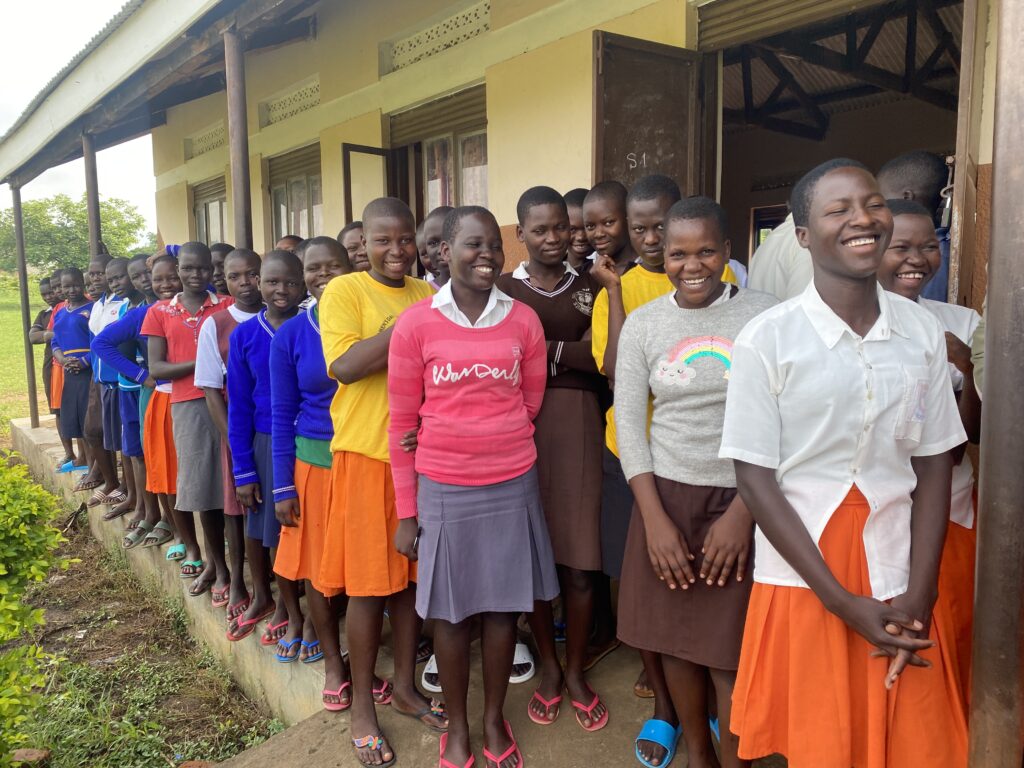
In Apac District, Northern Uganda, a quiet crisis is unfolding in classrooms across the region. It’s not making headlines, but its impact reverberates through generations. The crisis? Less than 30% of students are completing their secondary education—and for girls, the numbers are even more alarming.
But here’s what makes this more than just an education issue: every girl who drops out of school is a potential nurse, midwife, or community health worker lost to her community.
The Hidden Cost of Missing School
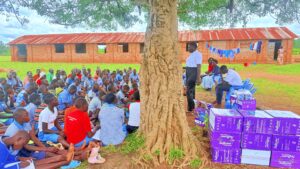
Picture a typical school day in Apac District. Empty desks tell a story that statistics alone cannot capture. Many of those absent students are girls—staying home not because they don’t want to learn, but because they lack something as basic as menstrual pads.
The barriers keeping girls out of school are both numerous and preventable:
Period poverty forces countless girls to miss school each month, falling behind in their studies and eventually giving up entirely. Without access to menstrual hygiene products, attending school during their periods becomes impossible or deeply humiliating.
Inadequate facilities compound the problem. Schools lacking girl-friendly sanitation facilities and private spaces make managing menstruation at school nearly impossible, even for those who have access to pads.
Poverty and household responsibilities pull students away from their studies. When families struggle to survive, children—especially girls—are often kept home to help with chores, care for siblings, or contribute to household income.
Teenage pregnancy and early marriage cut educational journeys tragically short. Without comprehensive health education and support, many girls become mothers before they finish being students themselves.
These aren’t just educational challenges. They’re barriers to building the healthcare workforce that Apac District desperately needs.
The Connection Between Education and Healthcare
Here’s a truth that’s often overlooked: today’s secondary school students are tomorrow’s healthcare providers.
Uganda, like much of sub-Saharan Africa, faces a critical shortage of trained health workers. Rural areas like Apac District are hit hardest, with communities often lacking adequate access to nurses, midwives, clinical officers, and community health workers.
But the solution to this healthcare crisis begins in the classroom. The girls sitting in secondary school today could be:
- The nurses staffing rural health centers
- The midwives ensuring safe deliveries
- The health educators teaching communities about disease prevention
- The clinical officers diagnosing and treating patients
- The medical professionals leading health interventions
When a girl drops out of school, we don’t just lose a student—we lose a potential healthcare provider who understands her community’s needs because she’s lived them.
A Simple Solution with Profound Impact
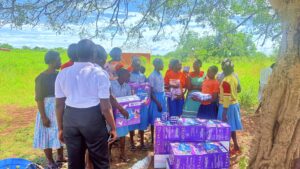
The remarkable thing about this crisis is how solvable it is. Providing schoolgirls with free menstrual pads and comprehensive health education addresses multiple barriers at once:
Reduced absenteeism means girls don’t fall behind academically. When they can manage their periods with dignity, they attend school consistently throughout the month.
Improved confidence comes from having the knowledge and resources to handle menstruation. Girls who understand their bodies and have access to proper hygiene products feel empowered to participate fully in school life.
Better academic performance follows naturally from consistent attendance and confidence. Girls who don’t miss a week of school each month have a real chance at completing their education.
Health literacy extends beyond menstrual health. Comprehensive health education equips girls with knowledge they’ll carry throughout their lives—and potentially into healthcare careers.
Breaking cycles of poverty happens when girls complete their education. Educated women have better economic opportunities, healthier families, and are more likely to ensure their own children—both sons and daughters—stay in school.
Investing in Education is Investing in Healthcare
Every pad provided, every health education session conducted, every girl who stays in school because of these interventions is an investment in Apac District’s future health infrastructure.
Think about the ripple effects:
A girl who receives menstrual pads and stays in school this year might graduate in three years. In six years, she could be enrolled in nursing school. In ten years, she could be a registered nurse serving her community. In fifteen years, she could be mentoring the next generation of healthcare workers.
This is how we build a sustainable health workforce—one student at a time, one school term at a time.
The Urgency is Real
With only 30% of students completing secondary education in Apac District, we’re losing 70% of our potential future workforce. Among girls, the situation is even more dire. We cannot afford to lose these bright minds, these potential healers, these future leaders.
The gap between Uganda’s healthcare needs and available workforce grows wider each year. We can’t wait for distant policy changes or large-scale infrastructure projects. We need to act now, with solutions that work today.
Your Donation Creates Healthcare Workers
When you support menstrual health and education programs in Apac District, you’re not just helping a girl stay in school this month—you’re potentially creating a healthcare worker who will serve her community for decades.
Your donation provides:
- Menstrual pads that allow girls to attend school with dignity every day of the month
- Health education that empowers students with knowledge about their bodies and wellness
- School supplies that support consistent learning
- Mentorship programs that encourage girls to pursue careers in healthcare and other fields
- Community engagement that changes attitudes about girls’ education
Every Girl Matters, Every Future Counts
The girl sitting in a classroom in Apac today, worried about whether she can afford pads for next month, could be the nurse who saves your life on a future visit to Uganda. She could be the midwife who ensures safe childbirth for hundreds of mothers. She could be the health educator who prevents disease outbreaks in rural communities.
But only if she stays in school.
At Reach Apac, we believe that every child deserves a chance—and that investing in girls’ education is one of the most powerful ways to build healthier communities. The connection between keeping girls in school and creating a robust healthcare workforce is undeniable.
Be Part of the Solution
The barriers are clear. The solution is proven. What we need now is your support.
Your generosity can:
- Keep a girl in school for an entire year
- Provide menstrual hygiene products to dozens of students
- Fund health education that empowers an entire classroom
- Build the foundation for a stronger healthcare system
The future health workers of Apac District are sitting in classrooms right now. Will you help them stay there?
Make Your Impact Today
Every donation, regardless of size, helps build the healthcare workforce that communities desperately need. When you invest in a girl’s education today, you’re investing in a healthier tomorrow for entire communities.
Donate now and help us create a future where no girl misses school because of her period, and no community goes without healthcare workers because we failed to educate our students.
Thank you for believing in the power of education to transform healthcare. Together, we’re not just keeping girls in school—we’re building a healthier future for all.