
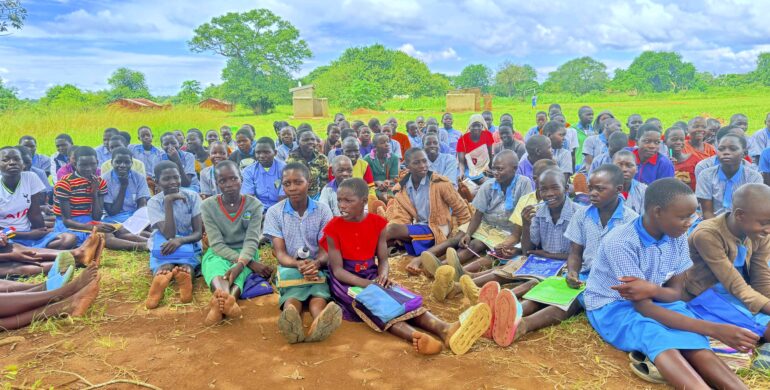
There is a well-known phrase in development circles: “Give a man a fish, and you feed him for a day. Teach a man to fish, and you feed him for a lifetime.” At ReachApac, we take that idea one step further. We believe the most powerful change happens when communities are not just taught — but trusted.
Across Uganda, we have seen well-funded programs come and go. New initiatives launched with fanfare. Resources distributed. Organisations moving on. And then, slowly, quietly — everything returns to how it was. Not because the people did not care, but because the change was never truly theirs to own.
Here are five reasons why ReachApac’s community-led model creates lasting impact — and why it matters to you as a donor or supporter.
1. Communities Know Their Own Problems Best
An organisation flying in from the outside, however well-intentioned, sees a snapshot. Community members live the full story. They know which families are most vulnerable. They know the cultural sensitivities around education or health. They know which solutions have been tried before and why they failed.
When we enter a new community, we listen first. We hold conversations with elders, mothers, young people, and local leaders. We ask questions before we offer answers. This approach means the programs we design are tailored to real, local needs — not the assumptions of outsiders.
2. Trust Is the Foundation of Everything
People do not open up to strangers. They do not change long-held beliefs because someone with a clipboard told them to. Trust is built over time — through presence, consistency, and respect.
ReachApac works with community volunteers and local champions who are already trusted by their neighbours. These are people who grew up in the same villages, speak the same language, and share the same values. When they carry a message about hygiene, education, or child welfare, it lands differently than the same message from an outsider. It lands as truth from a neighbour — not instructions from an institution.
3. Local Ownership Drives Long-Term Commitment
When people are part of designing a solution, they feel responsible for its success. They do not wait for an NGO to come back and check on things. They check on things themselves.
We train community health volunteers, parent champions, and youth ambassadors — not just to deliver services, but to carry the mission forward on their own terms. When our field team is not present, the work continues. That continuity is the difference between a project and a movement.
4. Culture Is Respected, Not Overridden
Too often, development programs fail because they clash with the cultural fabric of the communities they aim to serve. Interventions designed elsewhere get dropped into communities without consideration for local customs, beliefs, or social structures — and they are rejected.
At ReachApac, we never assume we know better than the communities we serve. We work within cultural frameworks, finding ways to advance health, education, and empowerment that feel familiar rather than foreign. When change feels like it belongs to a community, it takes root.
5. The Results Speak for Themselves
The communities we have worked with longest show the most remarkable transformations — not because we kept pouring in resources, but because they began generating change themselves. Girls who received menstrual hygiene support are now mentoring younger students. Parents who attended our workshops are now running community meetings. Youth who were once disengaged are organising peer education sessions.
This ripple effect — where one act of empowerment sparks another and another — is the true measure of lasting impact.
Be Part of the Change
Supporting ReachApac means investing in a model that works. Every shilling you give does not just fund a program — it builds a community that can sustain, grow, and multiply its own impact for years to come.
[Support Community-Led Change Today]