
The alarm goes off at 5:30 a.m.
By 6:15, the ReachApac outreach team has loaded the vehicle with hygiene kits, educational materials, and enough water for a long day under the sun. The road ahead is not paved. The community they are heading to is two hours away. But there is not a single reluctant face in the group.
This is a typical day in the field for our teams — and it is anything but ordinary.
The Journey
Our outreach teams travel across districts in Uganda that are often underserved and hard to reach. The roads tell their own story — narrow, rutted, cut through tall grass and past small farms where children wave from the roadside. The further you travel from urban centres, the more vivid the need becomes.
By 8:30 a.m., the team arrives at the agreed meeting point — usually a local school, a church compound, or a cleared space under a cluster of trees. Community members are already gathering. Some have walked for 45 minutes to be there.
The Gathering
There is a particular energy at a community session that is hard to describe in writing. It is part anticipation, part curiosity, part hope.
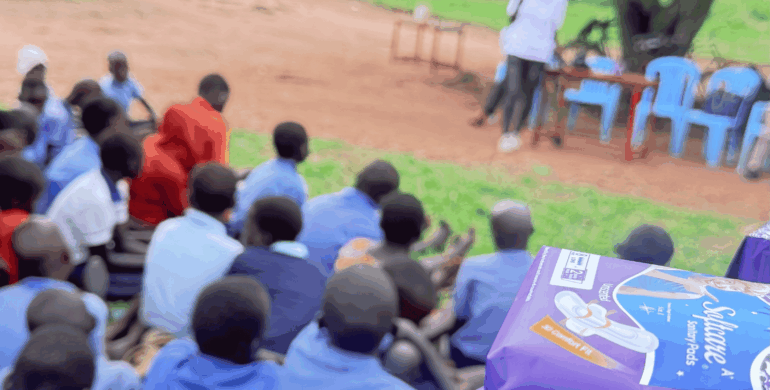
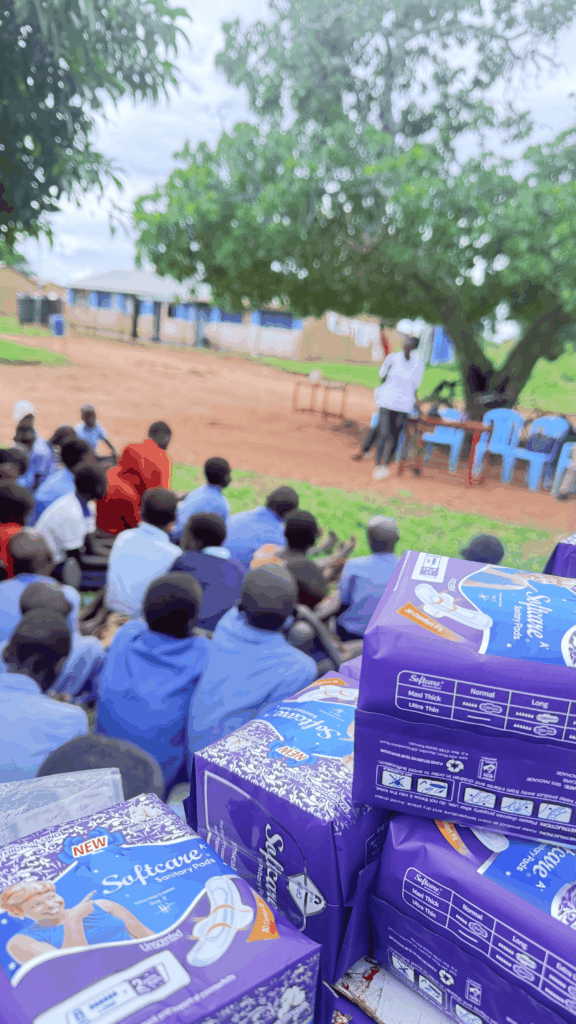
Parents sit in rows on plastic chairs or on the grass. Teenagers cluster together on one side, some shy, some animated. Local leaders take their seats at the front. A ReachApac team member opens the session in the local language — and immediately, the atmosphere relaxes. This is not a lecture. This is a conversation.
Topics vary depending on the community’s priority needs. On this particular day, the session covers menstrual hygiene and girls’ education. The facilitator — a young woman from a neighbouring district who went through the program herself — speaks with a quiet authority that only lived experience can give.
“I used to miss school too,” she tells the group. “I know what it feels like.”
The mothers in the audience lean in. The teenage girls exchange glances.
The Distribution
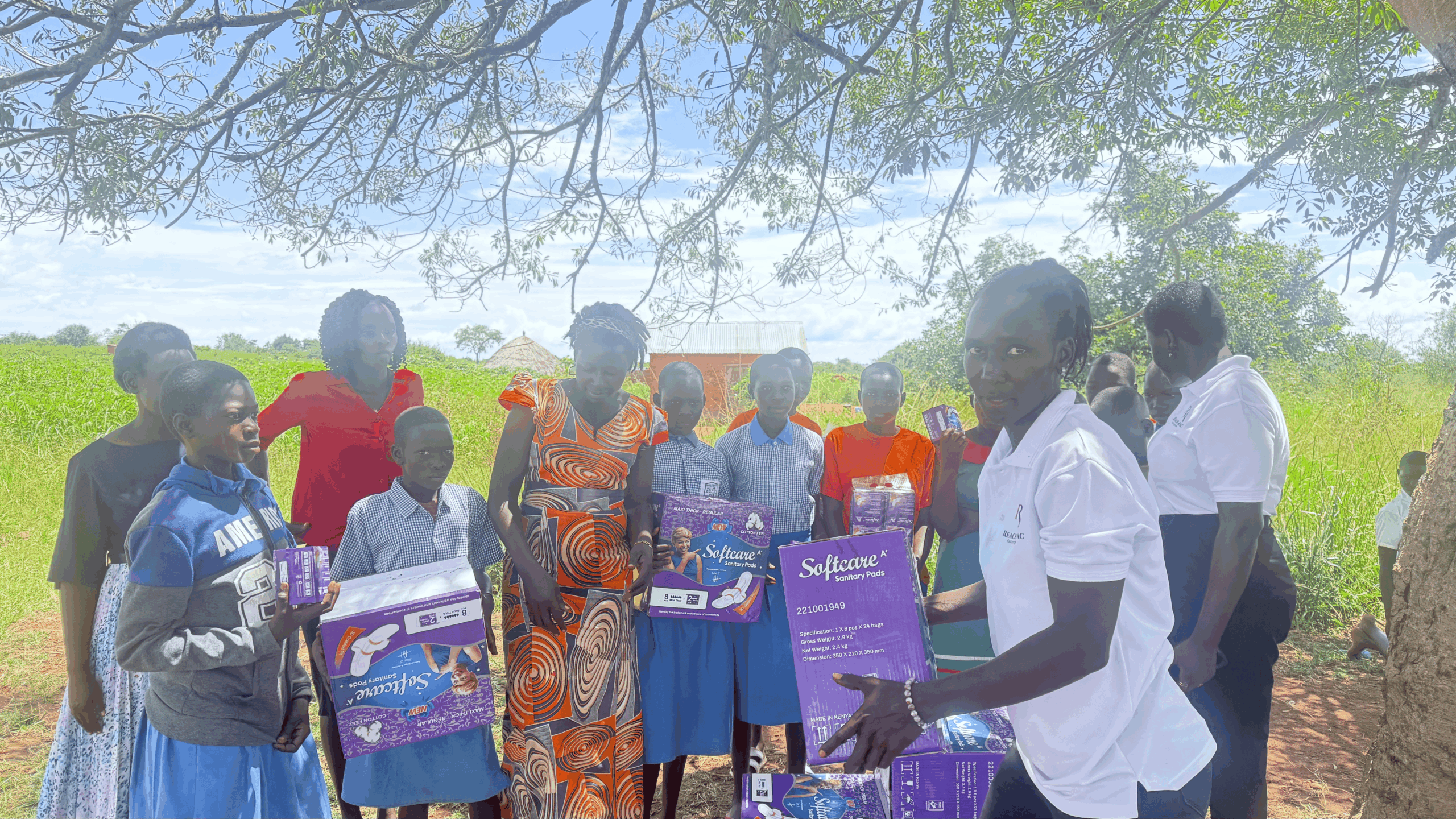
After the session, sanitary kits are distributed to girls who have been identified by teachers and community volunteers as coming from the most vulnerable households. Each girl receives her kit individually — not as charity, but with dignity. A small gesture, but a deliberate one.
Some girls open their kits immediately, turning the reusable pads over in their hands with curiosity. One girl, no older than fourteen, looks up at the facilitator and says something in a low voice. The facilitator smiles and nods. Later, she tells the team: “She said, ‘Now I do not have to be afraid anymore.'”
That sentence stays with everyone for the rest of the day.
The Questions
The formal session ends, but the conversations do not. Parents approach team members with questions — some practical, some deeply personal. A mother asks how she can talk to her daughter about her body without feeling embarrassed. A father asks whether boys should attend these sessions. A teacher wants to know how to identify girls at risk of dropping out.
Our team never rushes these moments. The questions people ask after a session often reveal the most urgent needs — the ones that could not be spoken aloud in front of a crowd.
The Drive Home
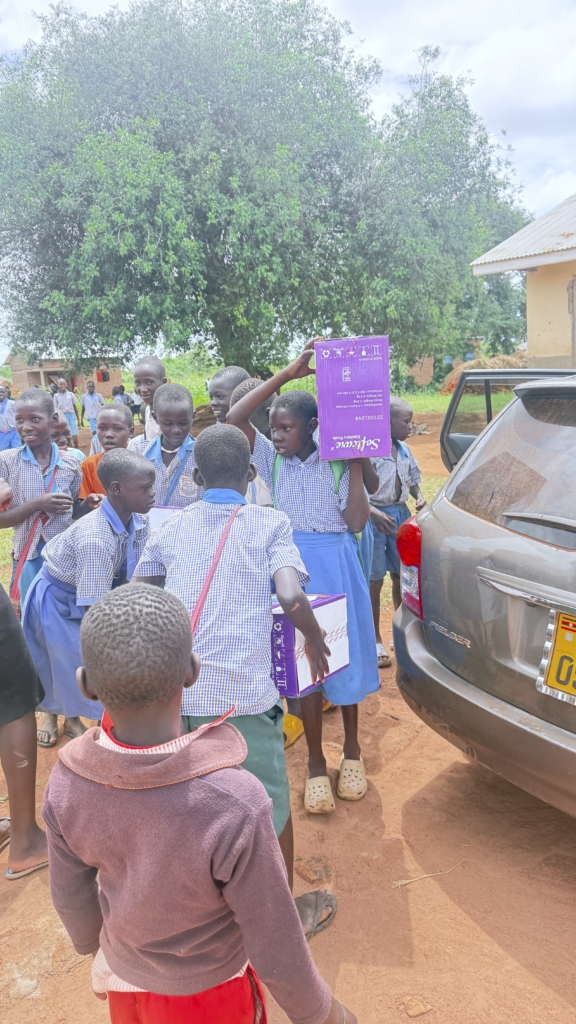
By 4 p.m., the team is back on the road. The vehicle is lighter now — kits distributed, materials shared. But the team itself is full in a different way.
Someone shares a moment that stood out to them. Someone else laughs about a question that surprised them. Someone else is quiet, replaying a conversation that moved them.
This is the part of the work that does not appear in reports or photographs. The invisible weight of caring deeply about what you do. The exhaustion that feels like satisfaction. The knowledge that today, in one community, something shifted — even slightly — in the direction of better.
Join Us in the Field
You may not be able to travel with our team, but you can make their work possible. Every donation funds transport, materials, and the time of dedicated people who wake up at 5:30 a.m. because they believe communities deserve better.