
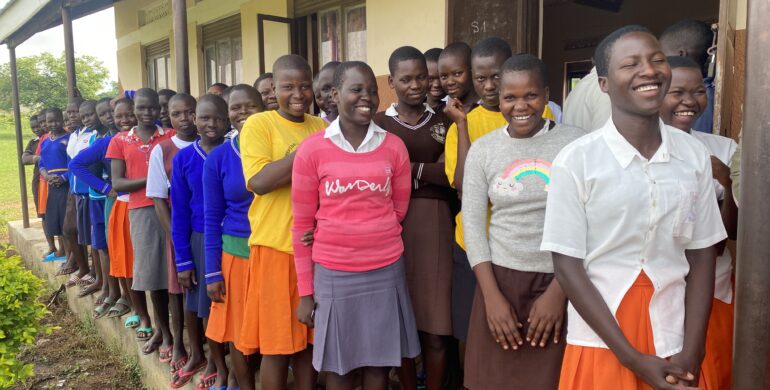
Uganda is one of the youngest countries on earth.
More than 75% of the population is under the age of 30. In villages, in towns, on the streets of Kampala, young people are everywhere — energetic, creative, hungry for something more. They fill classrooms where resources are thin. They scroll on smartphones in places with unreliable electricity. They dream in circumstances that often feel designed to dim those dreams.
And yet, too often, the response to Uganda’s youth challenge is the same word: hope.
Hope is not enough. Hope without opportunity is just waiting. And Uganda’s young people have waited long enough.
The Reality on the Ground
Youth unemployment in Uganda remains one of the highest in the region. Many young people who do complete secondary school or vocational training find themselves unable to access the formal job market. Others — particularly young women — leave school early due to financial pressure, early marriage, or pregnancy.
Mental health challenges among youth are rising, yet largely unspoken. In communities where survival is the daily priority, anxiety, depression, and trauma often go unnamed and untreated. Young people are expected to be resilient by default — as though growing up without enough simply makes you stronger, rather than quietly breaking parts of you down.
And the young people who fall through the cracks do not disappear. They become adults who carry unaddressed needs into families, communities, and a cycle that continues into the next generation.
The Opportunity We Are Missing
Here is what is equally true: Uganda’s youth are not a problem to be managed. They are the country’s greatest asset — if we choose to invest in them properly.
When a young woman stays in school and completes her education, the economic return to her family and community is well-documented. When young men are engaged in skills training and mentorship, rates of risky behaviour decline. When young people — male and female — are given platforms to lead, they do so with an energy and authenticity that no imported development model can replicate.
The question is never whether Uganda’s youth are capable. They demonstrably are. The question is whether we — as a society, as donors, as organisations — are willing to match their capability with real, sustained investment.
What Empowerment Actually Looks Like
At ReachApac, we do not offer false promise. We do not arrive in communities with the message that everything will be fine. We arrive with something more concrete: programs, resources, skills, and genuine engagement.
Our youth work focuses on:
Education access — keeping young people in school longer, with the materials, mentorship, and hygiene support they need to attend consistently.
Skills and livelihoods — connecting young people with practical skills training and peer networks that translate to real economic activity.
Safe spaces and voice — creating environments where young people can speak honestly about what they are experiencing, and be heard by adults who take them seriously.
Mentorship — pairing young people with role models from within their own communities who have navigated similar challenges and come out the other side.
The Future Is Already Here
The young people ReachApac works with are not waiting to become the future. They are already living it — making decisions daily that will shape the trajectory of their lives and their communities.
They deserve more than hope. They deserve programs that work, adults who show up, and donors who understand that investing in a young person today is investing in an entire community tomorrow.
Be the investment Uganda’s youth are waiting for.